Artistic Research & Practice
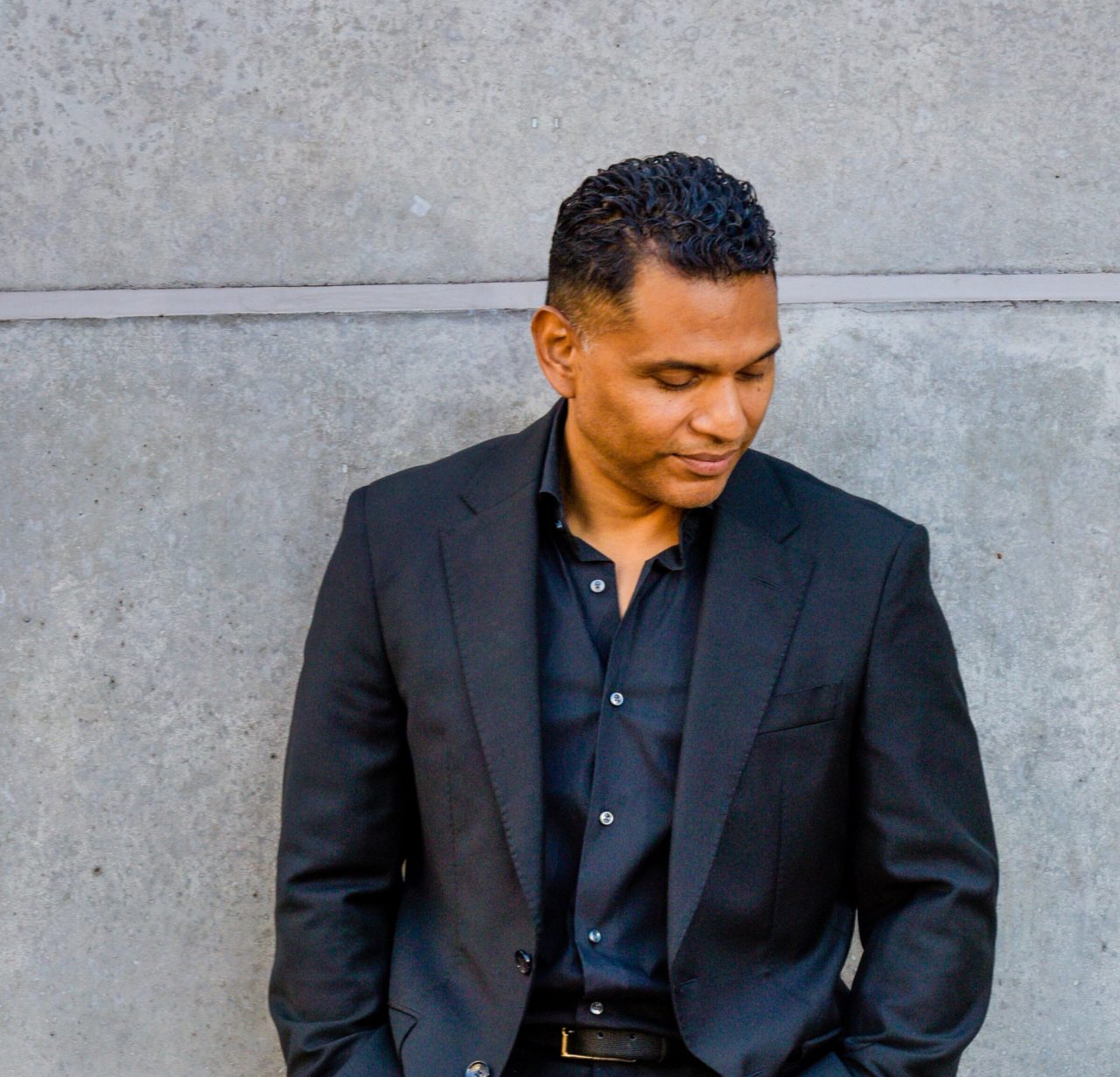
Dwayne Toemere is a theatre maker, actor, and researcher at the ATD Lectorate. His work delves into Indigenous knowledge systems, grief rituals, and decolonization within the performing arts. Drawing from his Surinamese-Indigenous heritage (Lokono and Kalihna), Dwayne explores themes of loss, collective memory, and healing through artistic practices.
With a foundation in occupational psychology, he now explores how embodied Indigenous knowledge systems offer alternatives to dominant cognitive or institutional paradigms in education and the arts.
Education & Coaching
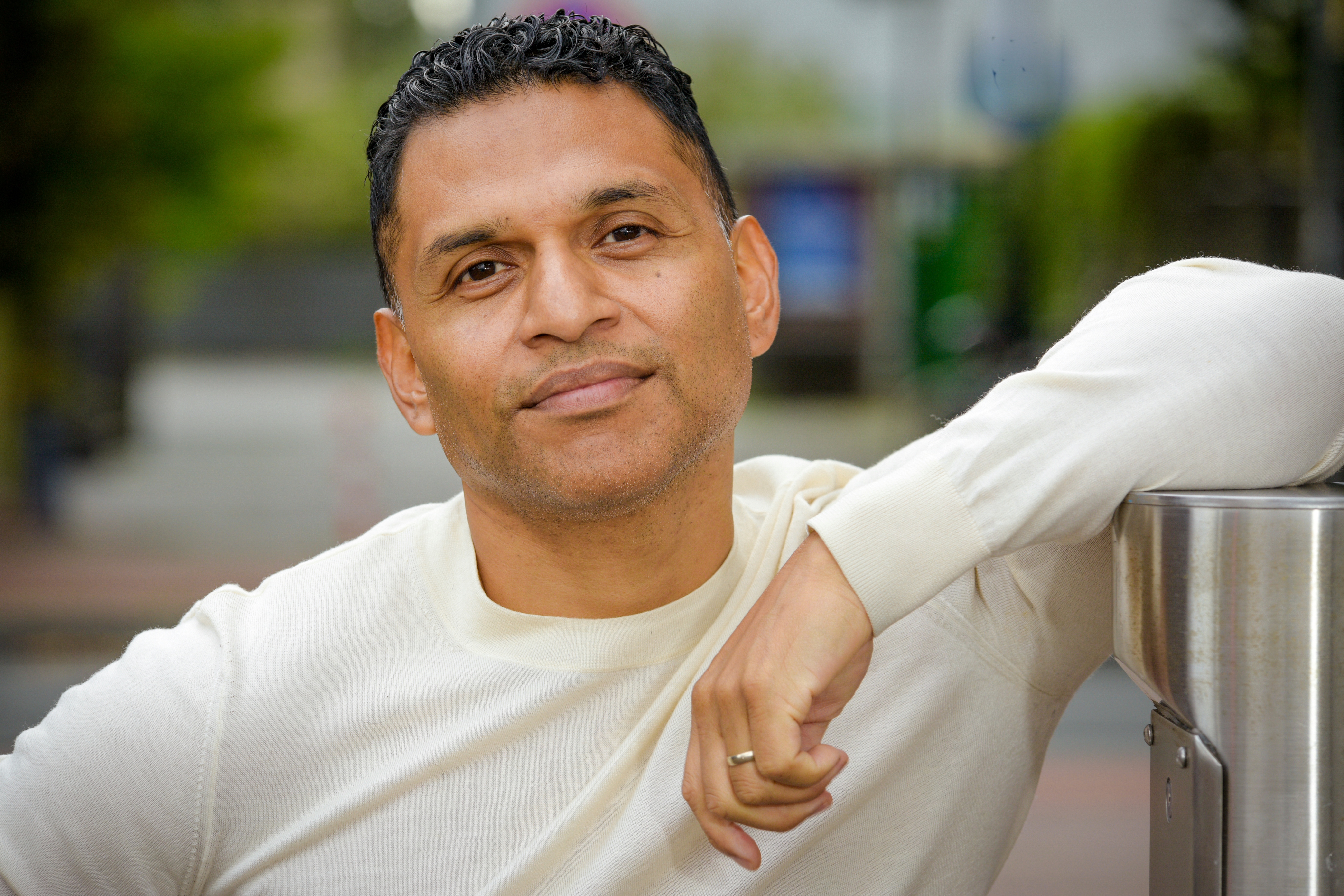
Next to his theatre work Dwayne started teaching from 2013 in different theatre schools with a specialization in physical theatre and Corporeal Mime, a technique developed by Etienne Decroux. He also works as a trainer for different companies (commercial and governmental) for personal development and communication training.
A video of Dwayne’s work on Corporeal Mime with students throughout the years:
His research interests are in:
- Indigenous artist practices and the history and culture of indigenous communities.
- Mourning and the ways to make space for mourning practices and to heal.
- Diversity, Inclusion and Equality: ways to look at and to work on decolonization within the arts and within the education system.
Projects & Collaborations
Performance and Ceremony – Research Month 2025, ATD Lectorate (Academy of Theatre and Dance)
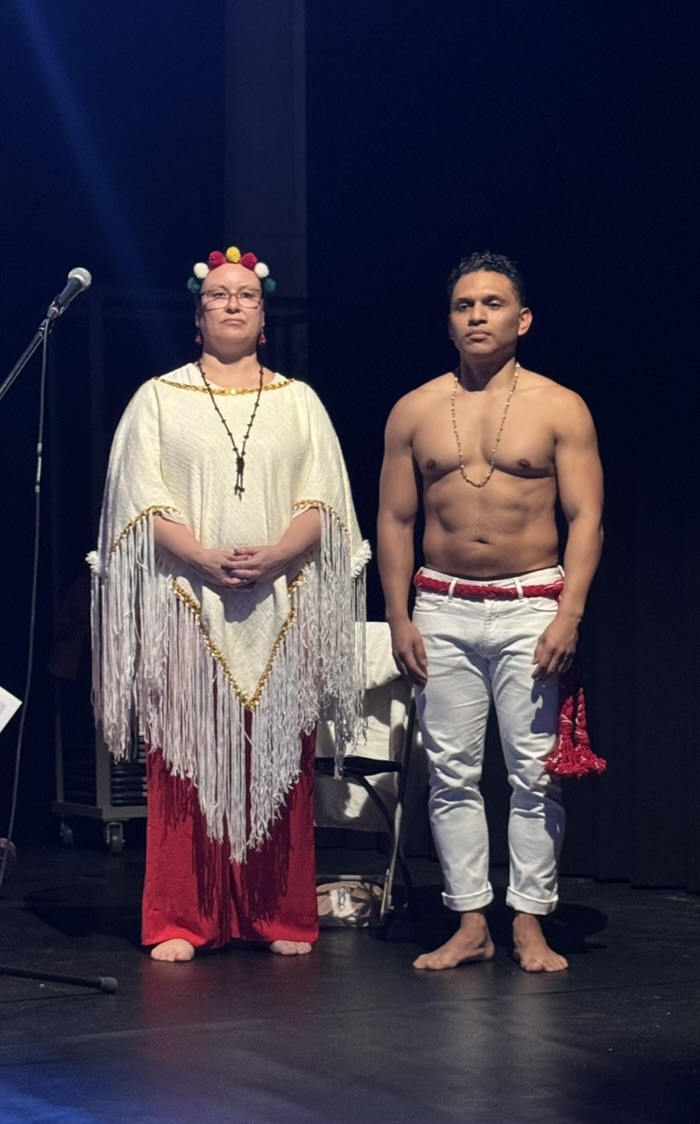
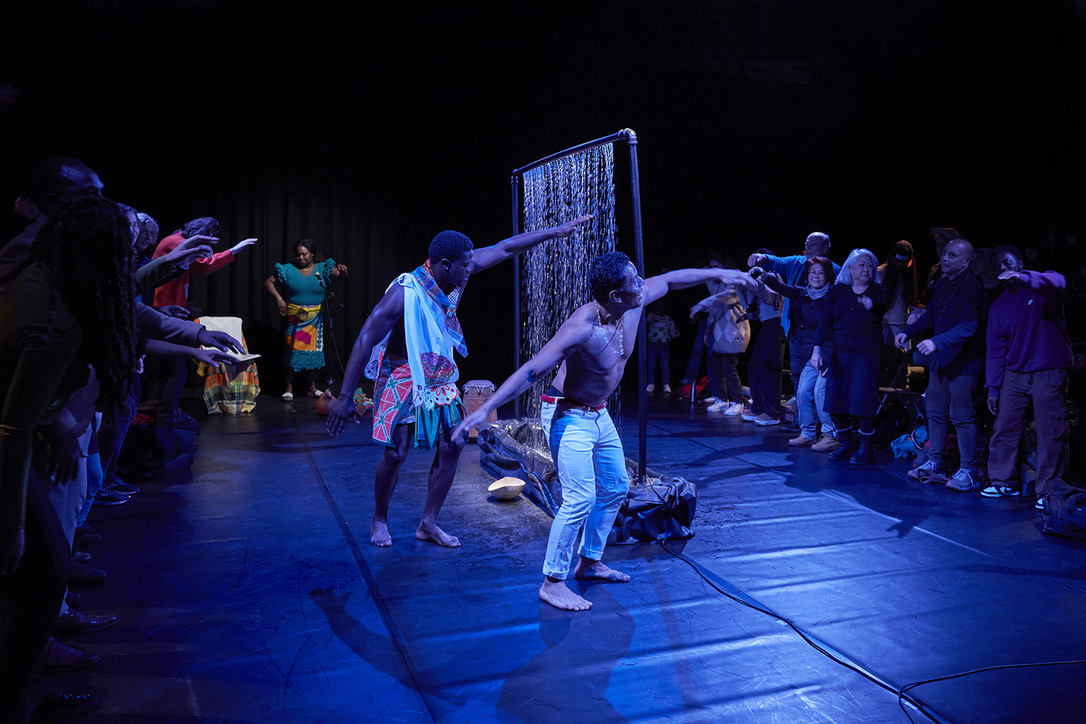
As part of the ATD Research Month 2025, Dwayne Toemere presented a ritual performance rooted in Indigenous knowledge systems, grief work, and embodied storytelling. The performance interwove spoken word, physical theatre, and ceremonial practices to explore ancestral memory, loss, and healing. Drawing from his Lokono and Kalinha heritage, Toemere created an intimate space where audience and performers shared responsibility in witnessing and honoring their ancestors. The performance was framed by a ceremonial structure: traditional dress and offerings were used to open and close the space respectfully and intentionally.
Audience members were invited to engage not only as spectators, but as participants in a moment of collective remembrance and transformation. The ceremony surrounding the piece grounded the research in Indigenous epistemologies, highlighting the importance of spiritual and somatic presence in artistic processes of healing.
Research and Artistic Practice – ATD Lectorate / Skeletje (2025-2027)
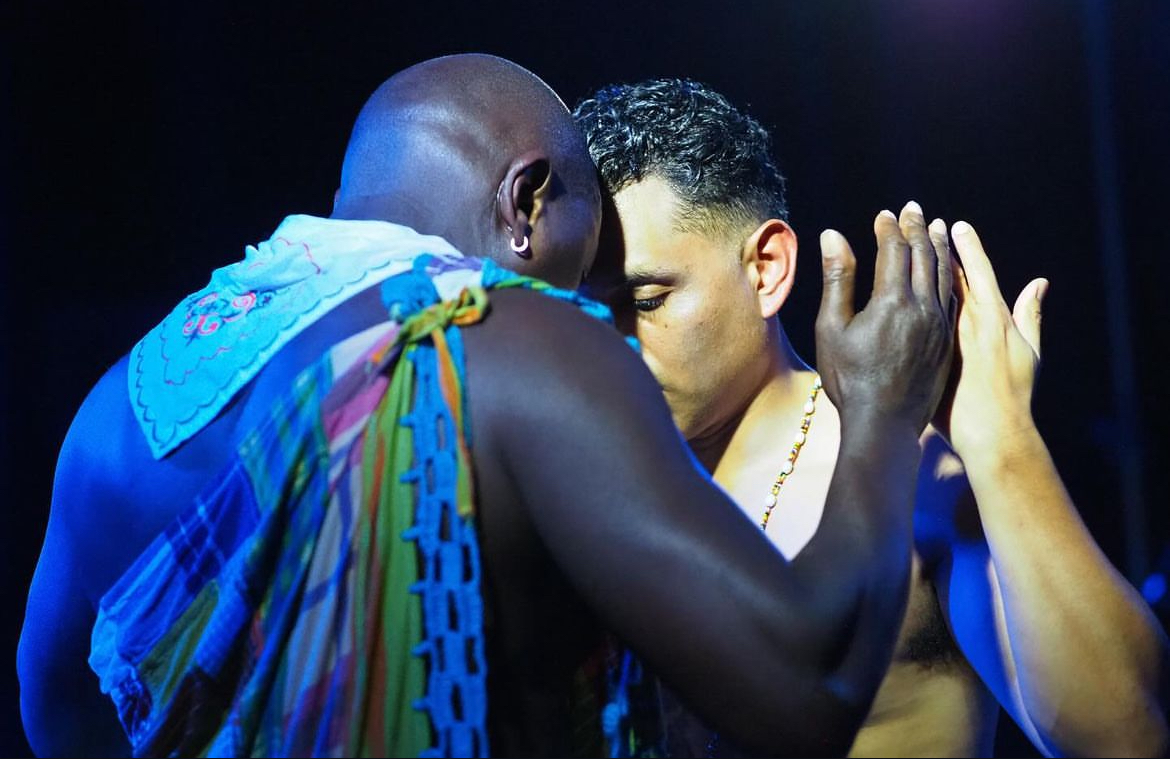
Through his artistic research on grief, ritual, and Indigenous knowledge systems, Dwayne’s work explores how performative and ceremonial practices can support processes of mourning and healing; both individually and collectively.
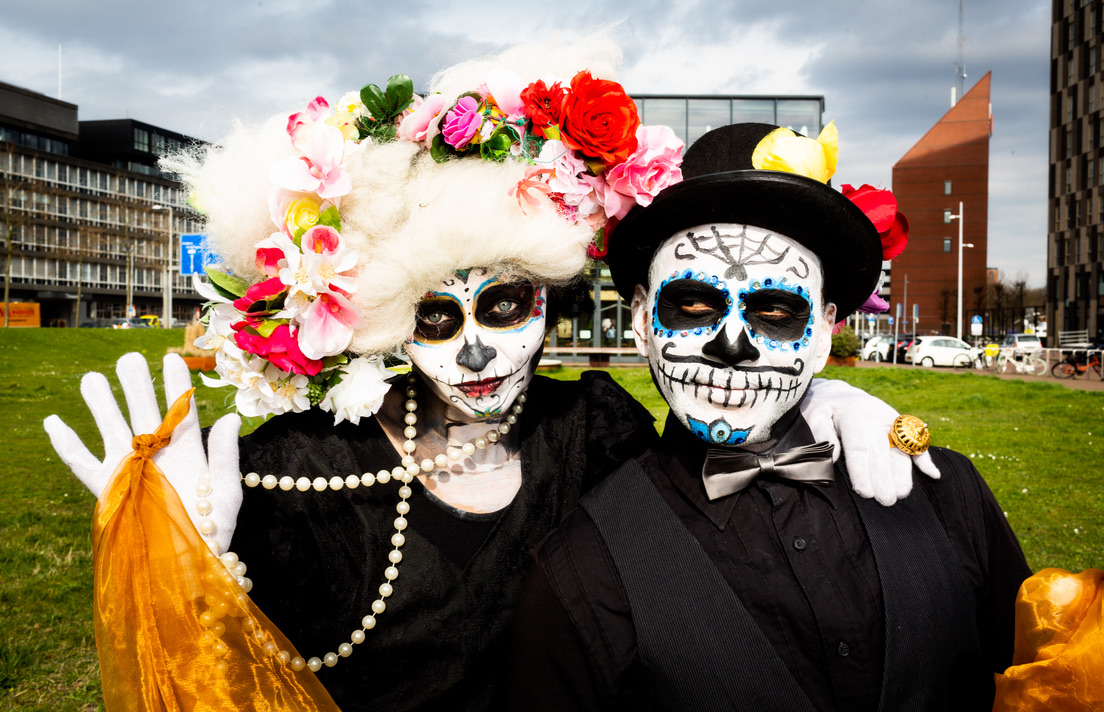
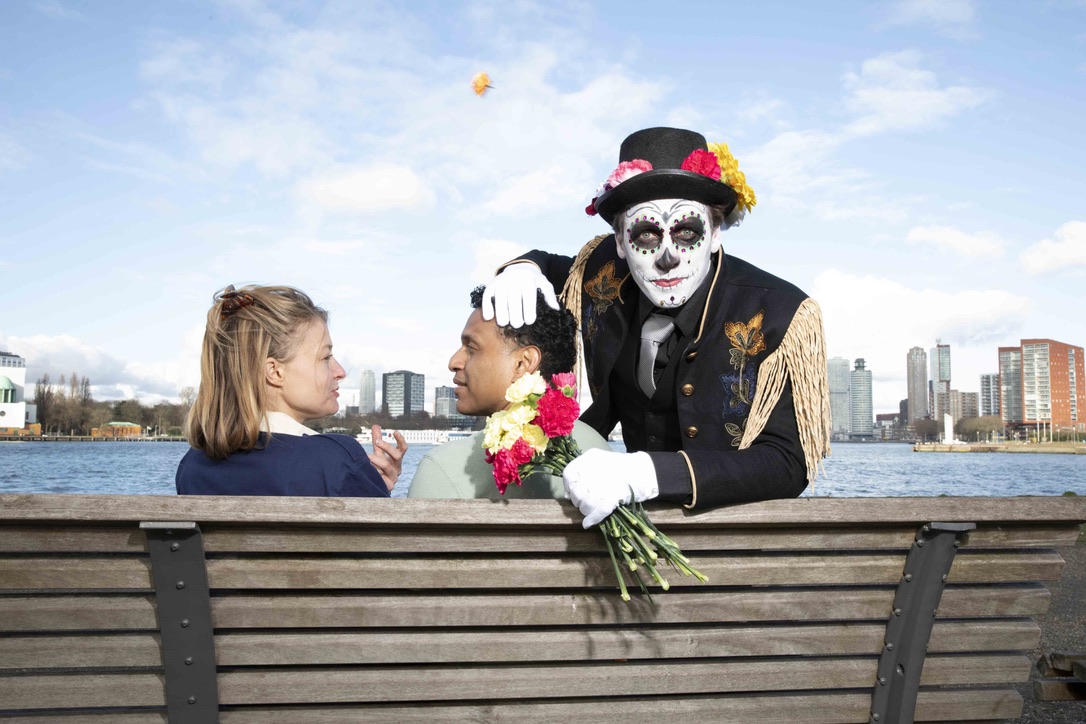
Within this framework, Skeletje (2025-2027), a children’s theatre production co-created with Lisa Groothof and Yannick Greweldinger and in co-production with Maas Theatre & Dance (Rotterdam), forms a central case study. Aimed at young audiences (ages 6+), the performance is inspired by Día de los Muertos and examines how remembrance rituals can foster emotional resilience. By integrating storytelling, visual symbolism, and participatory elements, Skeletje invites children and adults alike into a shared space of reflection and transformation.
The project reflects Dwayne’s broader research questions around ancestral memory, the role of ceremony in theatre, and the possibilities of decolonial mourning practices within contemporary performance.
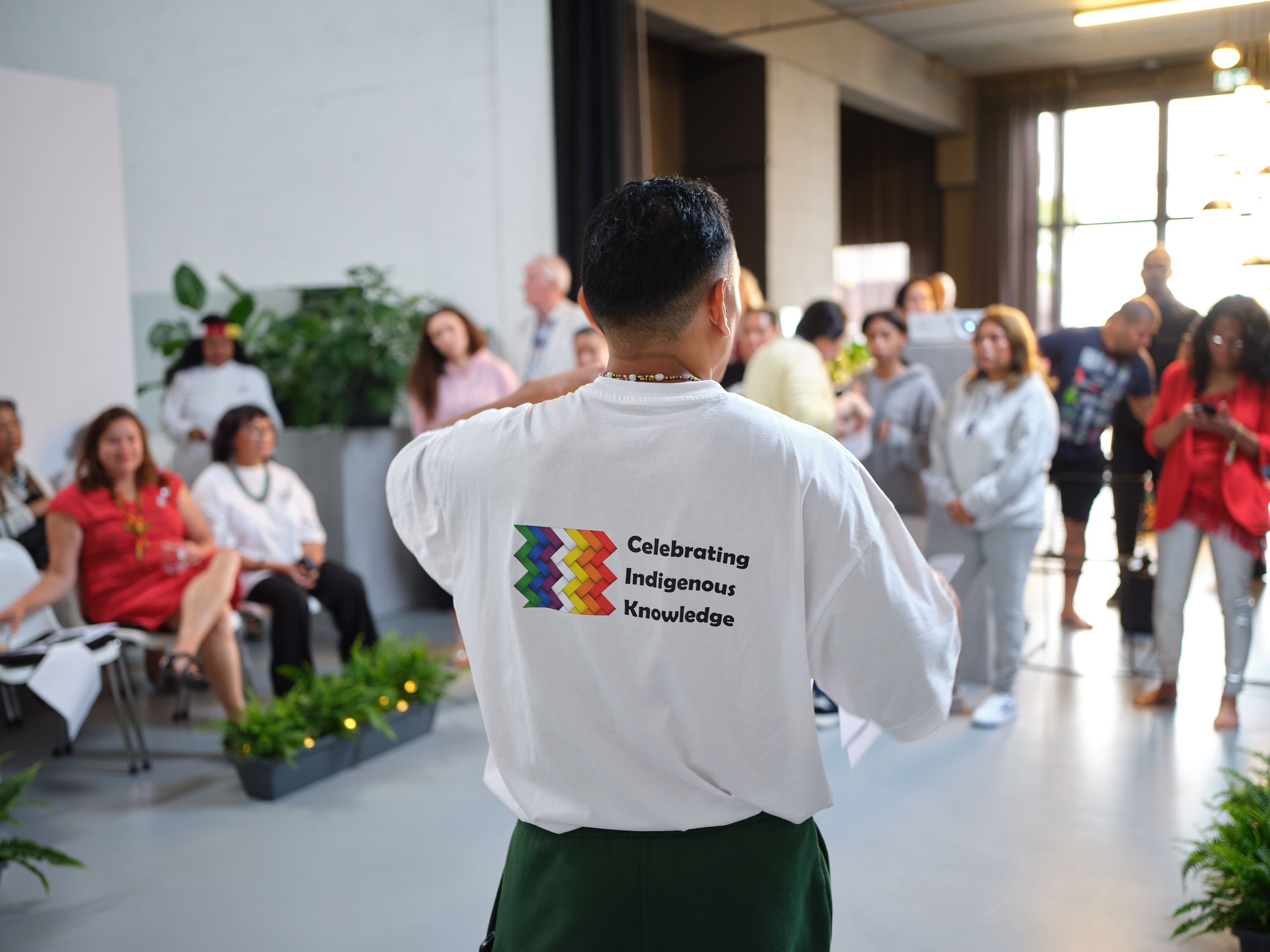
Celebrating Indigenous Knowledge – Wasjikwa (July 2024)
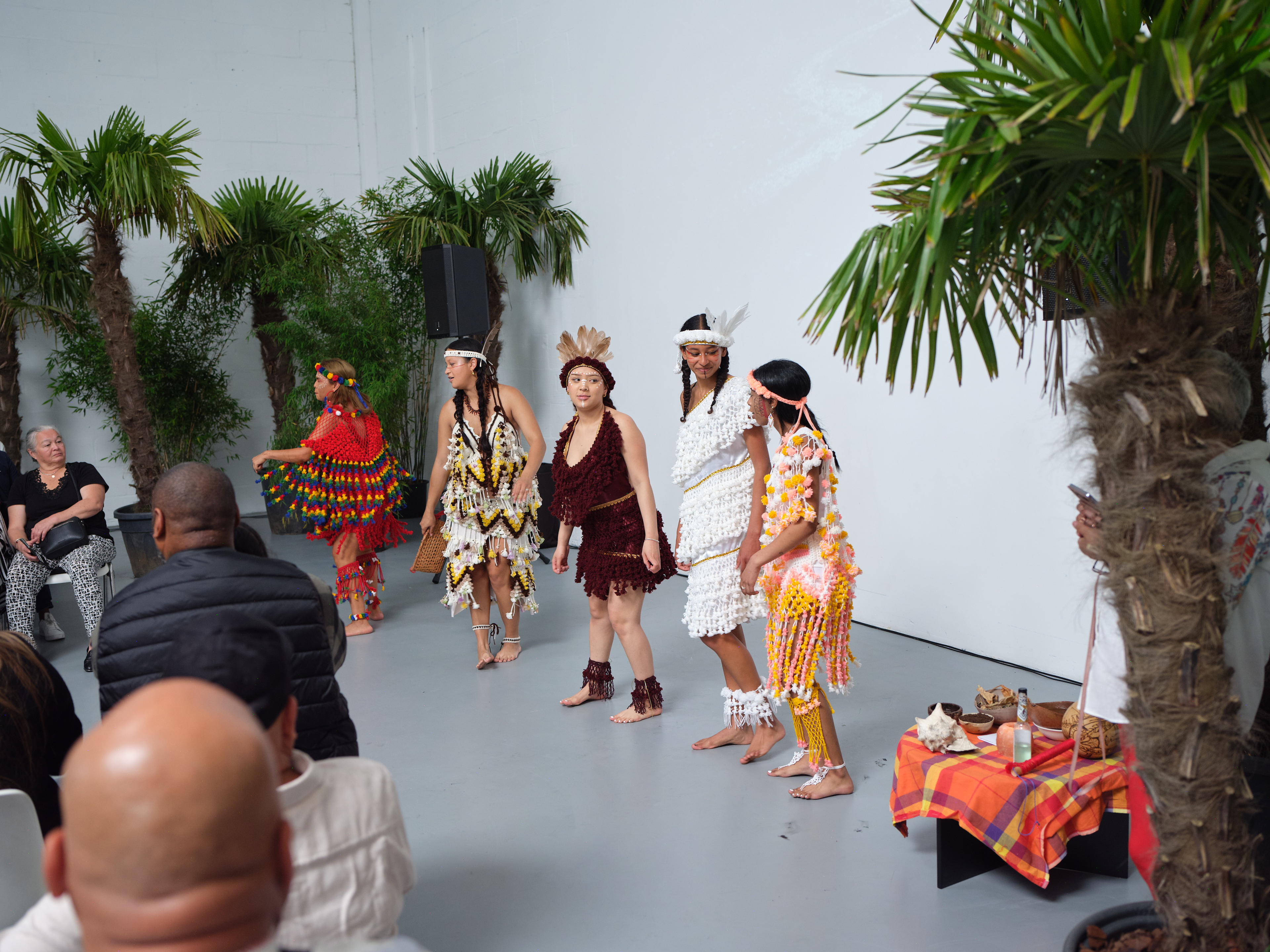
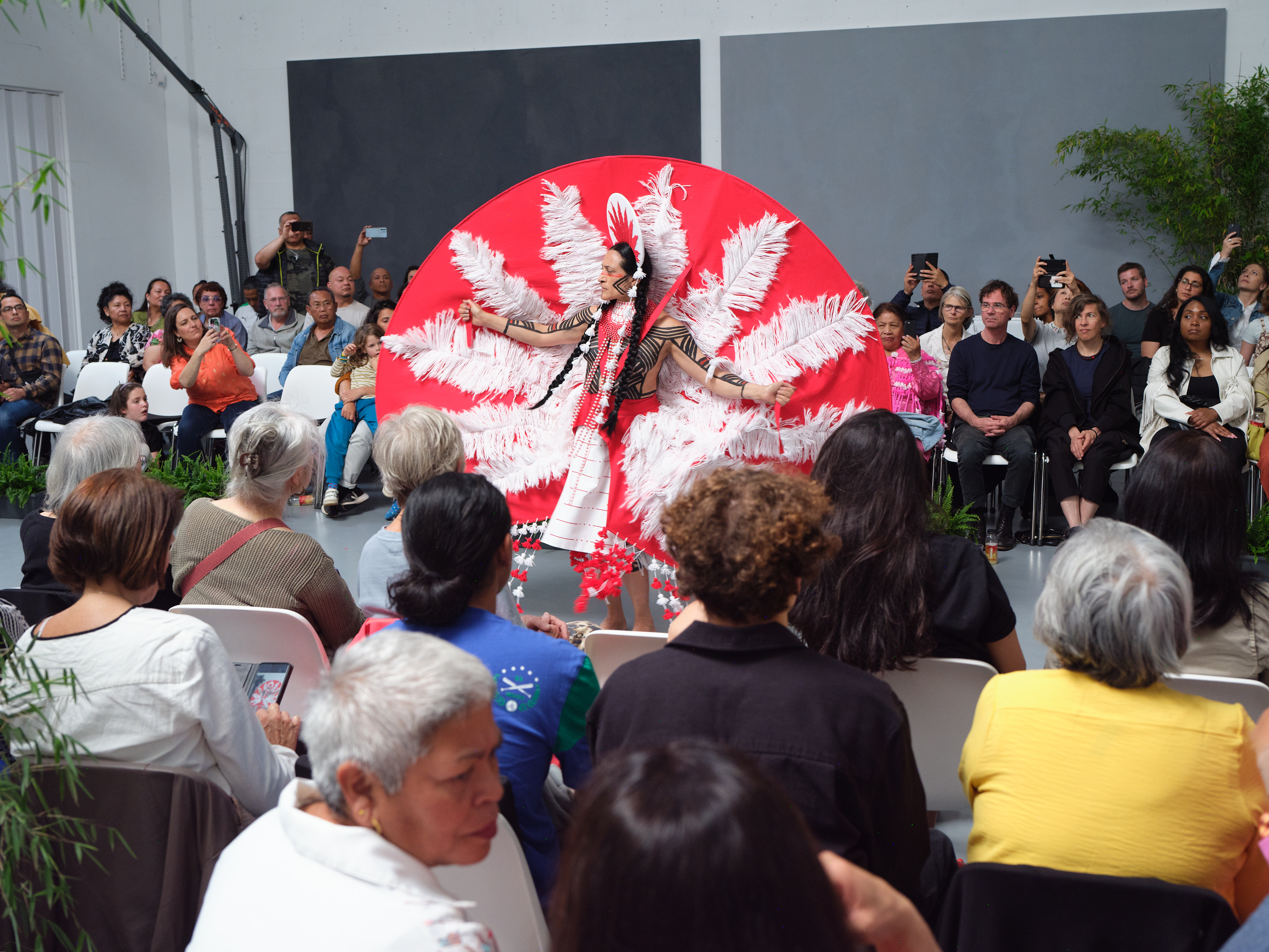
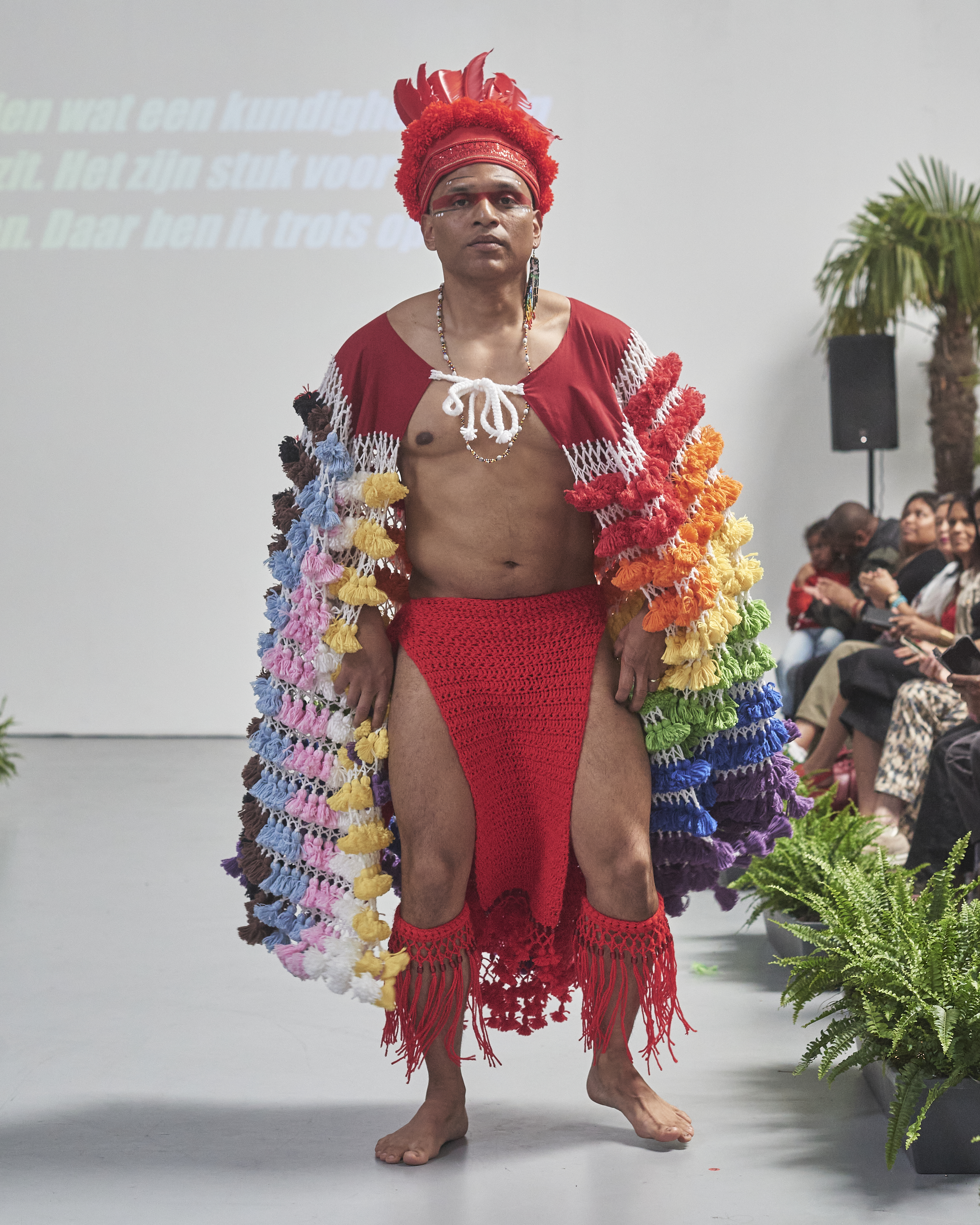
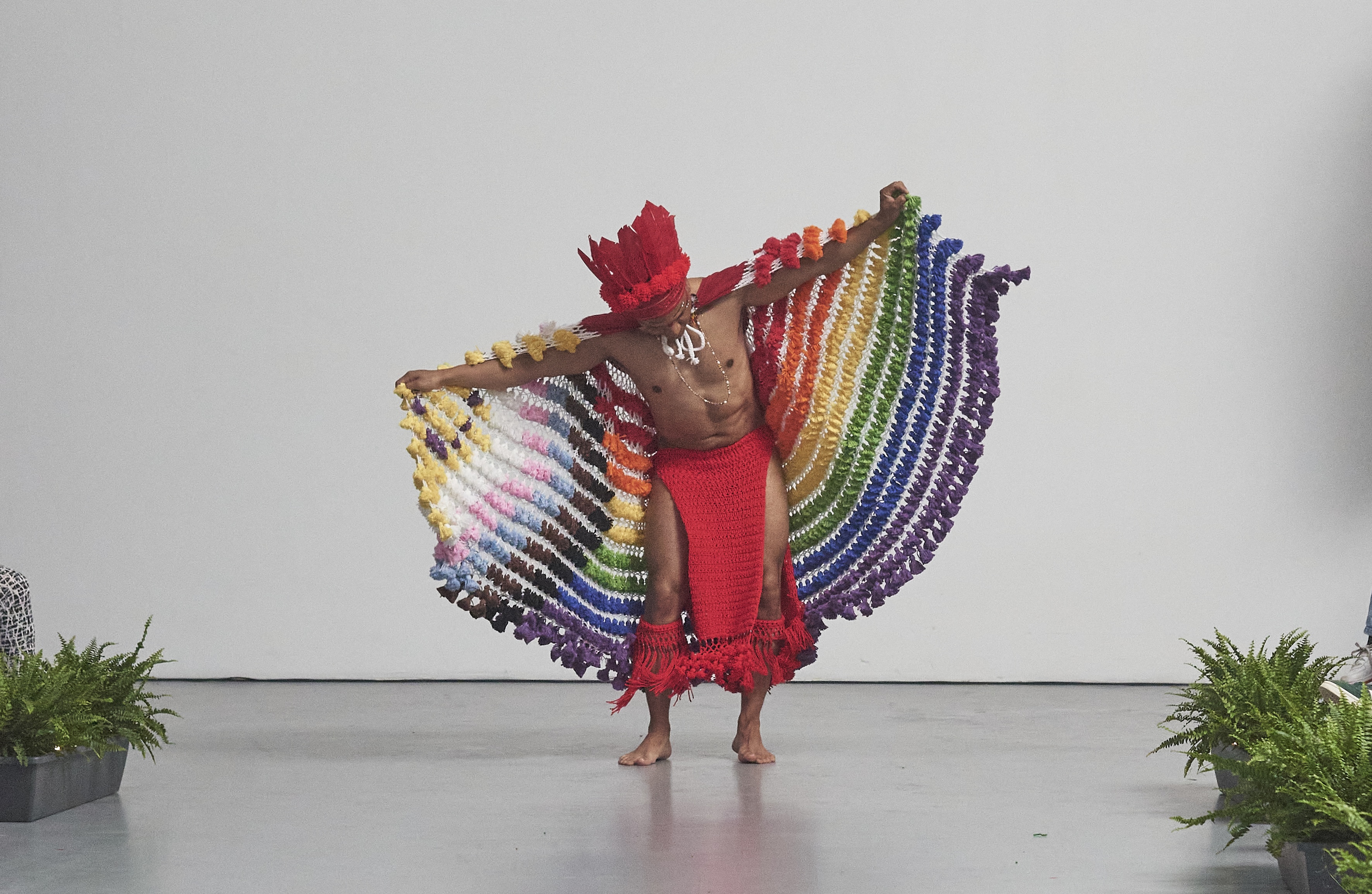
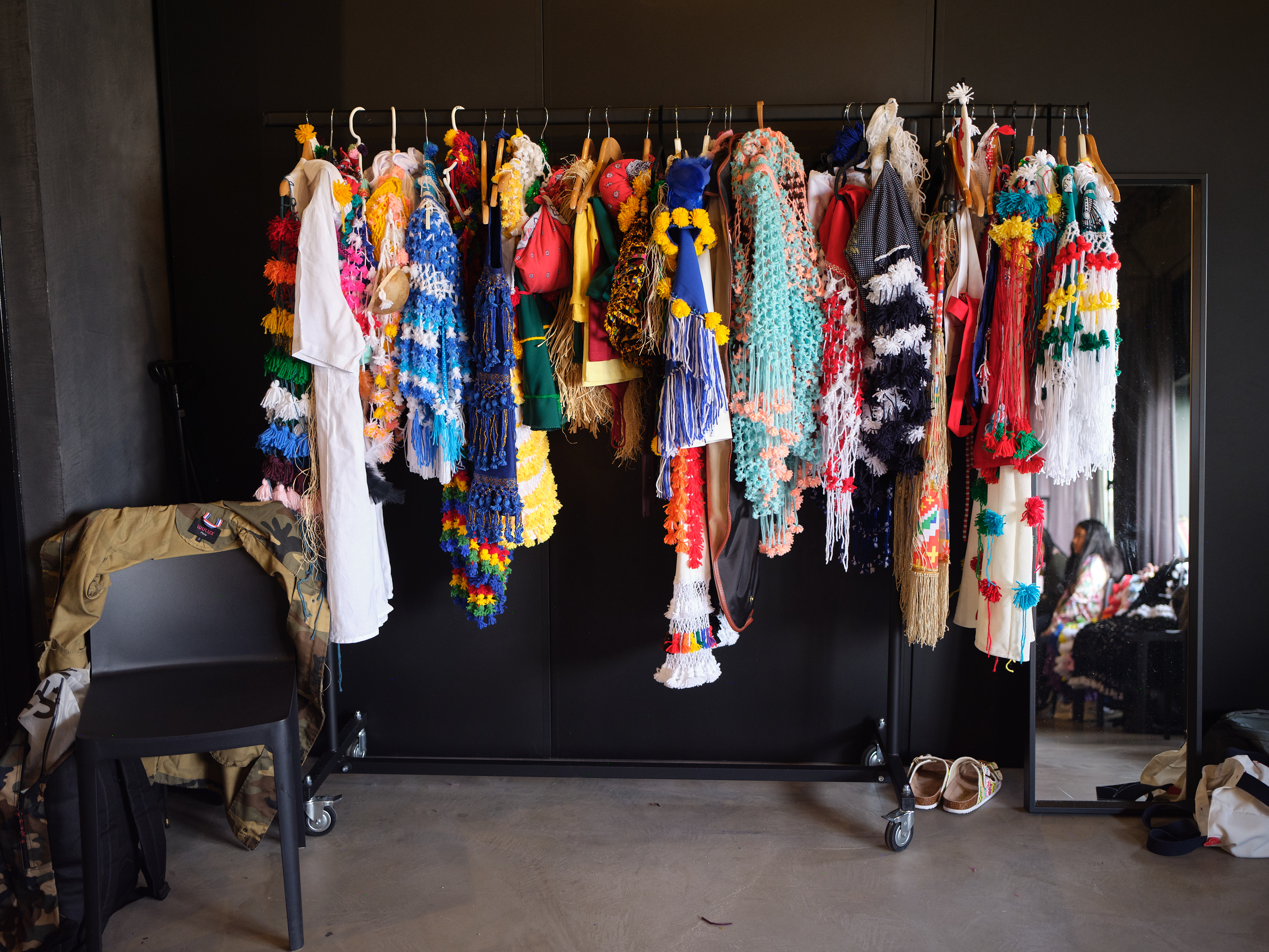
In July 2024, Dwayne Toemere collaborated with Stichting Wasjikwa to organize a vibrant cultural event centered around Indigenous pride, ancestral connection, and artistic expression. As part of this collaboration, he curated and presented a fashion show featuring original Surinamese-Indigenous clothing designs, rooted in traditional forms yet reimagined through a contemporary lens.
Towards the show they organized several master classes to broaden their clothing and jewelry making skills and techniques and to exchange knowledge. They also organized master classes in theater and performance.
The event brought together community members, artists, and cultural practitioners in an atmosphere of celebration and reflection. Beyond its visual impact, the fashion show served as a living archive of Indigenous aesthetics and embodied memory. Garments were accompanied by storytelling, music, and ceremonial elements, transforming the runway into a space of resistance, remembrance, and cultural continuity.
By weaving together activism, artistic creation, and communal gathering, the event honored the wisdom of ancestors while asserting the ongoing presence and vitality of Indigenous cultures. For Dwayne, this project was both a personal and political act: an offering to his roots and a call for visibility, dignity, and self-defined representation within the arts.
The project aligns closely with Dwayne’s artistic research at the lecotrate, where he investigates how Indigenous epistemologies can inform performance practices and processes of healing. By centering ceremony, ancestral memory, and embodied knowledge, the Wasjikwa collaboration extended his research beyond the theatre and into the heart of community: where art, activism, and ancestry meet.
After movie Wasjikwa Fashion Show at Studio Rooff 2024:
LINK: 👉🏽 Wasjikwa Fashion Show at Studio Rooff 2024 (Long Edit)
Shoulder Cloth Workshop Series – Wasjikwa (May–June 2025)
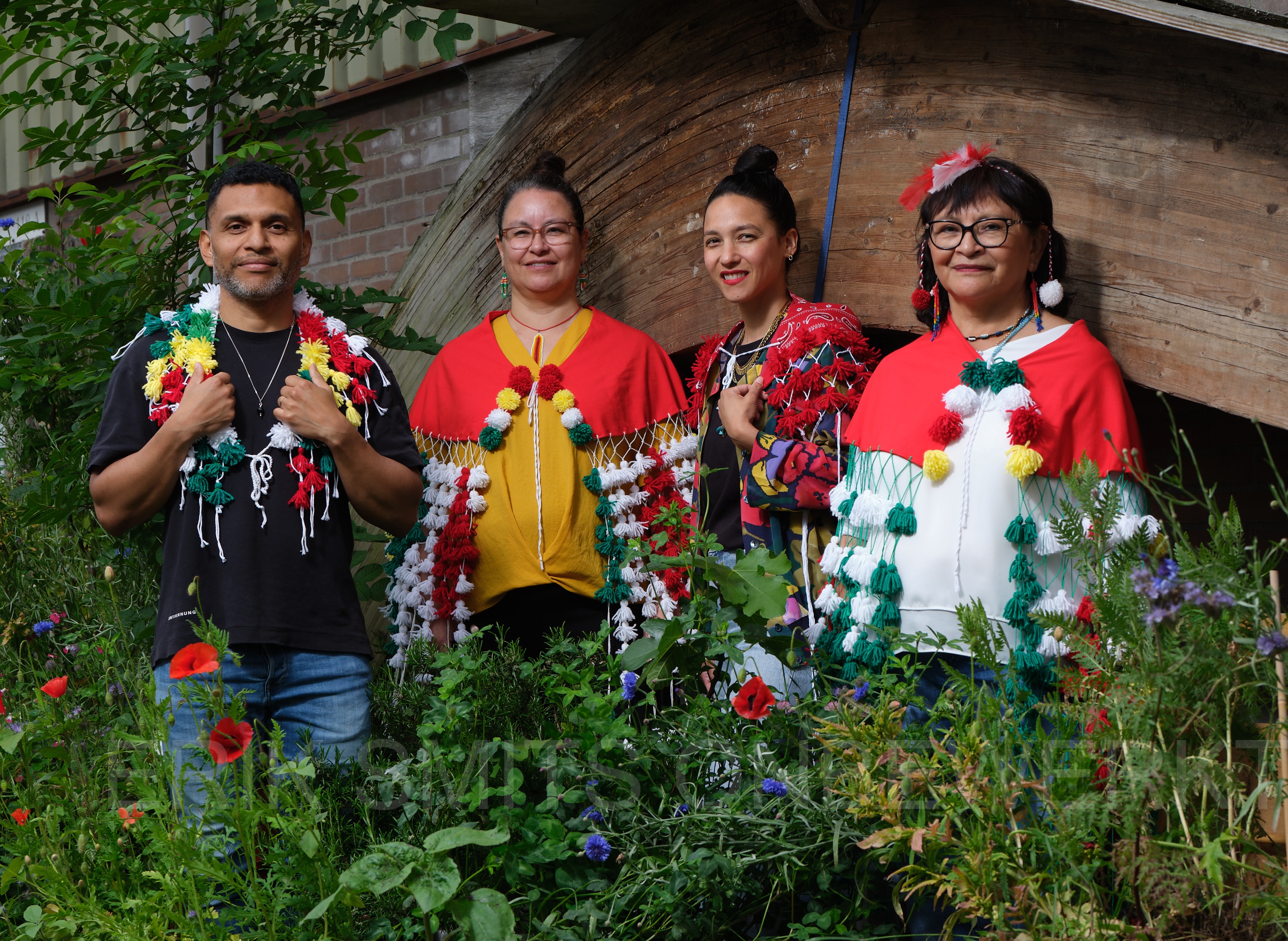
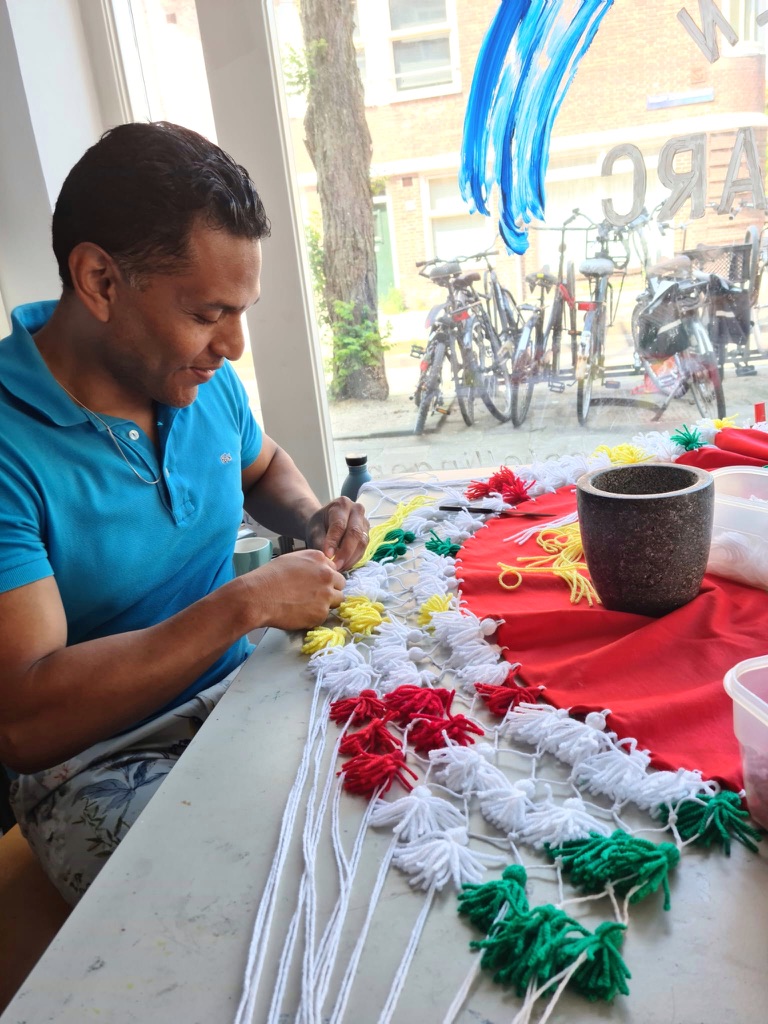
As part of his artistic research into grief, embodiment, and Indigenous knowledge, Dwayne Toemere facilitated a workshop series in collaboration with Stichting Wasjikwa during May and June 2025. The series focused on the creation of personal shoulder cloths: symbolic garments often worn in acts of remembrance and resistance, crafted from alakondre fabric, which itself represents unity in cultural diversity.
Participants from diverse backgrounds were invited to weave their personal and ancestral stories into the cloth through hand-stitching, pattern selection, and reflective conversation. The workshops emphasized care, slowness, and presence, offering space for mourning, pride, and creative reclamation. The shoulder cloths became wearable archives of lived experience and cultural continuity.
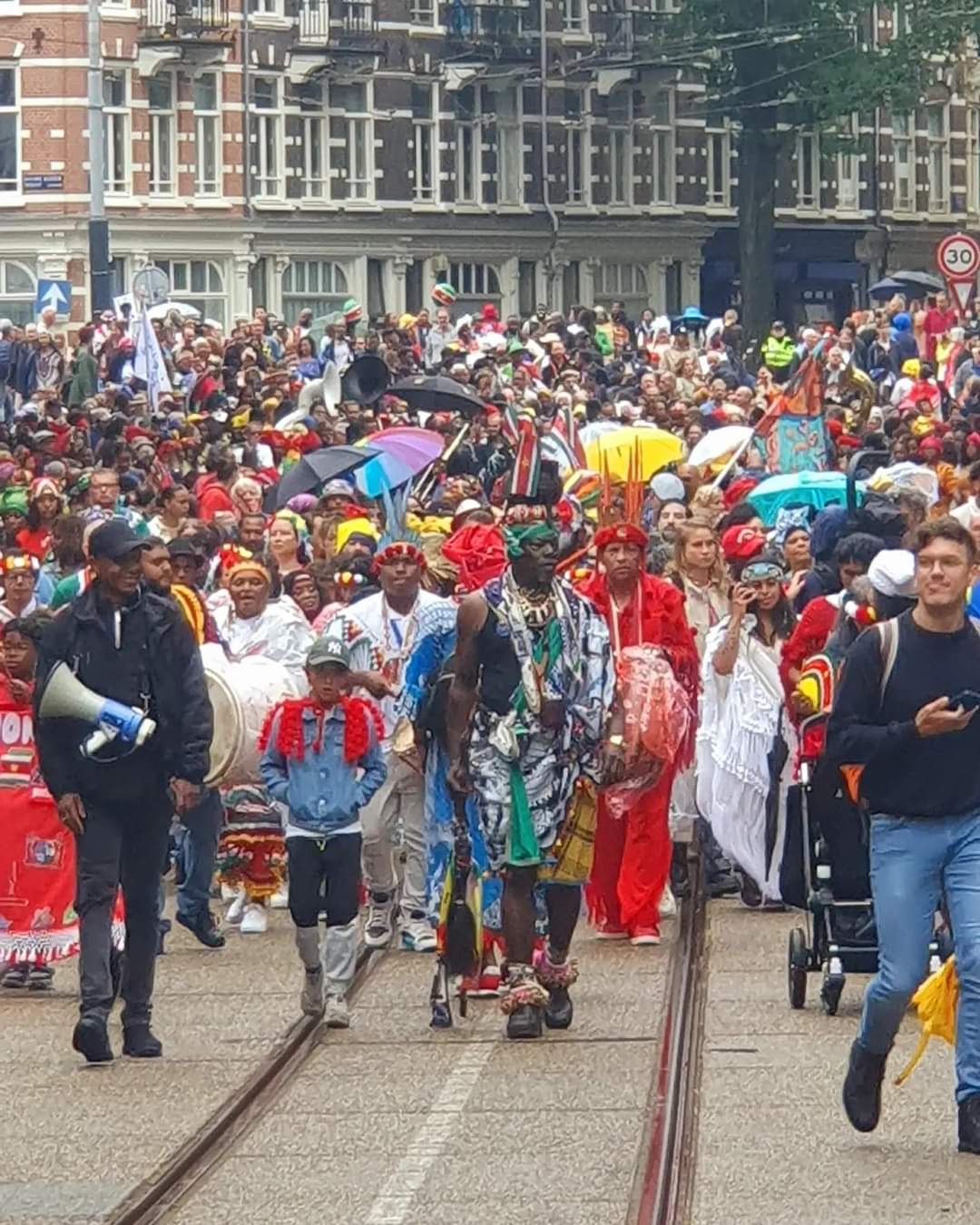
The project culminated in a collective moment of visibility and solidarity: all participants wore their cloths during the Bigi Spikri march on July 1st, Keti Koti, honoring the legacy of slavery and the resilience of Afro-Surinamese and Indigenous communities.
This workshop series directly extends Dwayne’s research at the lectorate, exploring how ritual, textile practices, and embodied storytelling can activate decolonial forms of remembrance. It demonstrates how performance can live in daily gestures, communal gatherings, and the materials we carry close to the body.
Inspiration Sessions at Het Verbond – June-July 2024
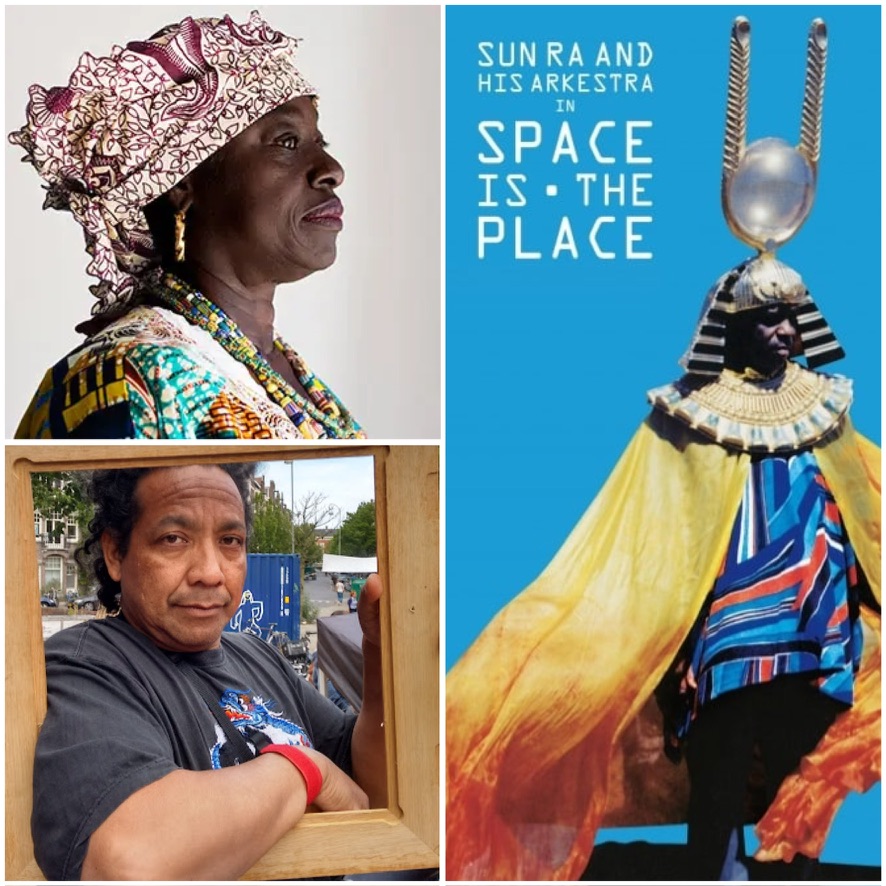
In the summer of 2024, Dwayne Toemere co-organized a four-part series of Inspiration Sessions at Het Verbond in Amsterdam, in collaboration with theatre makers José Montoya and Erwin Boschmans. Developed as part of his ongoing research with the lectorate, and creative exchange among theatre makers of color.
Each session centered around a key theme that resonates with Dwayne’s artistic inquiry into mourning, ancestry, and decolonial futurity:
- Afrofuturism – An exploration of radical imagination: how do artists of color build new worlds from non-Western epistemologies? Participants examined speculative narratives as tools for resistance and liberation.
- Indigenous Knowledge and Art – A conversation with Surinamese-Indigenous artist Victor Bottenbley focused on bridging Indigenous ways of knowing with contemporary artistic practices, challenging the colonial divide between art and life.
- Winti Grief Practices – A workshop led by Winti priestess Marian Markelo introduced participants to mourning rituals within the Winti tradition, highlighting the spiritual and communal dimensions of loss, remembrance, and healing.
- Integration and Reflection – The final session was dedicated to collective reflection. What was learned, unearthed, and re-remembered across the sessions? How can theatre makers of color honor the past while navigating the present and shaping the future?
This series of gatherings was both an artistic laboratory and a sacred space. It allowed for the integration of spiritual traditions, ancestral memory, and sociopolitical critique into a shared artistic vocabulary. The sessions embody the core of Dwayne’s research at the lectorate: investigating how ritual, grief, and Indigenous and Afro-diasporic knowledge can inform theatrical creation. Not as metaphor, but as method.
Cultural Heritage & Family History
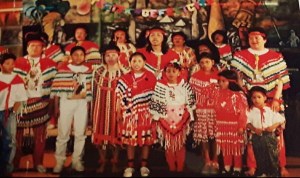
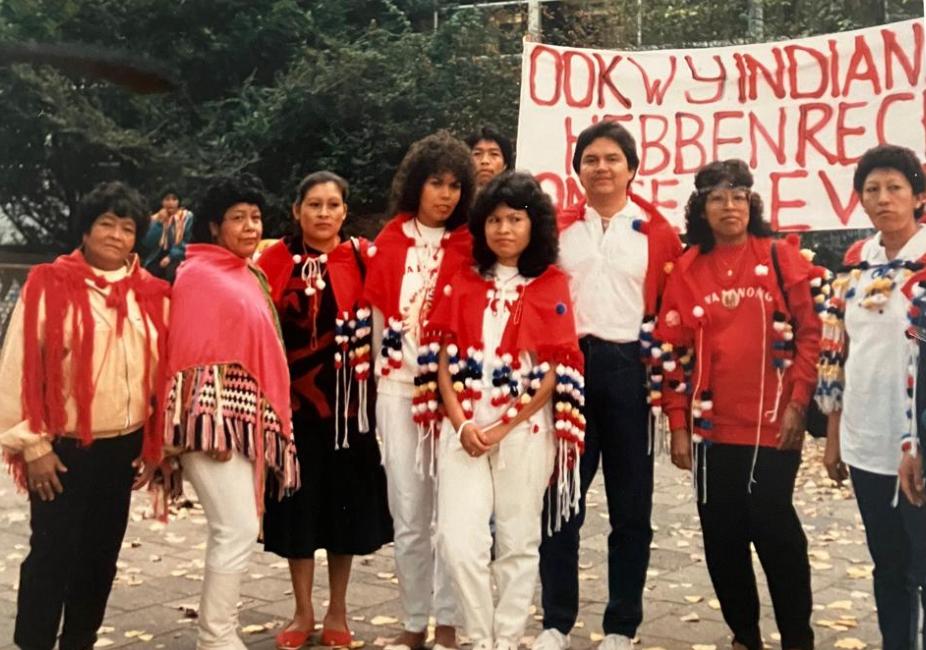
Dwayne Toemere’s engagement with Surinamese-Indigenous culture is deeply rooted in his family history. In 1985, his family founded SCV Wajonong in Rotterdam, an organization committed to preserving and sharing Indigenous cultural heritage through music, dance, and storytelling. Growing up in this environment of intergenerational transmission and cultural activism laid the foundation for Dwayne’s artistic and research-based practice today.
This familial legacy continues to inform his work within the lectorate, where he investigates how grief, ancestral memory, and Indigenous knowledge systems can be embodied in contemporary performance. His practice is grounded in ritual, artistic making, and community-based exchange, often integrating traditional forms with new theatrical languages.
Dwayne’s questions and methodologies resonate closely with the research themes of the lectorate for Cultural and Artistic Knowledge: decolonization, social justice, and Indigenous epistemologies. His focus on mourning and ceremonial knowledge also aligns with the lectorate’s program line exploring the role of the arts in responding to grief and loss. By drawing on both personal history and collective ancestry, Dwayne’s work offers vital contributions to the field of decolonial performance and artistic research.
An excerpt of the festive opening of S.C.V. Wajonong on September 7, 1985, broadcast as a special by Rotterdam’s local television:
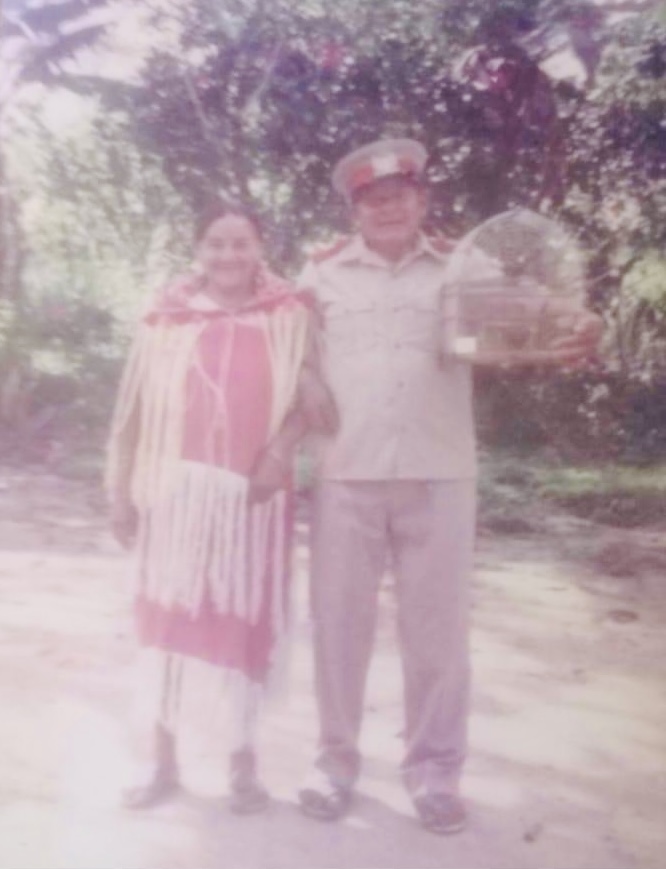
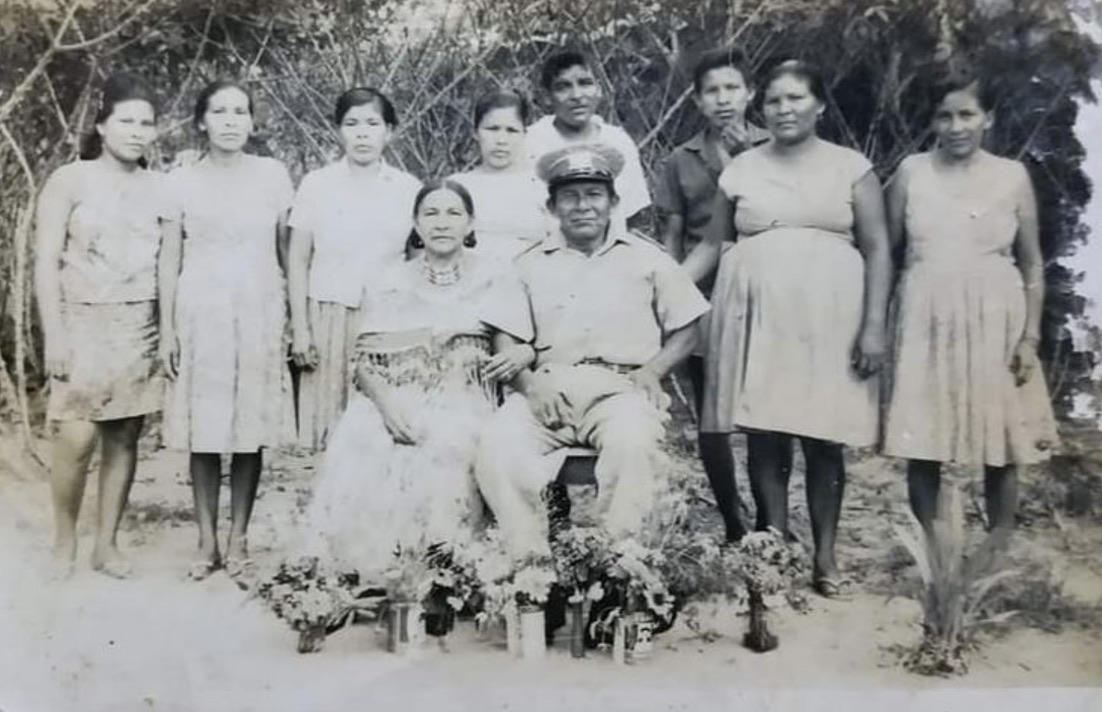
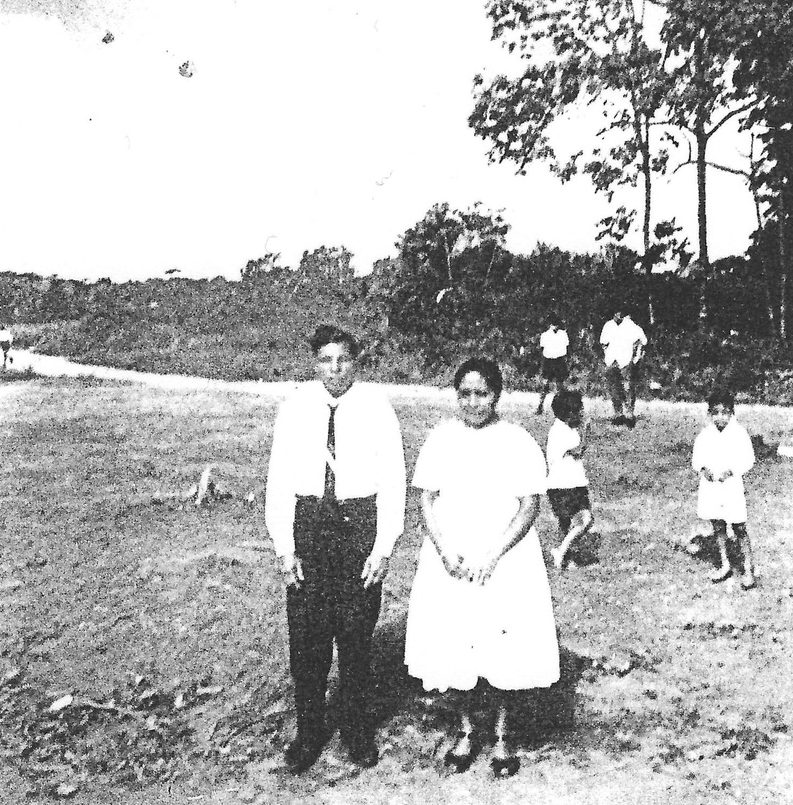
Archival material of Dwayne’s Surinam ancestors
This collection of archival photographs offers a rare glimpse into the lives of Dwayne’s family from Suriname, preserved across generations. These images act as historical artifacts; capturing daily life, rituals, and the socio-cultural landscape of the time. By observing their faces, clothing, surroundings, and expressions, we can piece together stories of identity, resilience, and continuity.
Drawing on archival principles like provenance, which stresses the importance of understanding the original context and ownership of materials, and original order, preserving how they were organized by my ancestors, these photographs become more than portraits. They embody lineage and memory, connecting past and present in a profound way.
Through this photographic narrative, Dwayne honors the lasting bonds of his Surinamese heritage, offering a tangible connection to the lives, experiences, and cultural legacies that have shaped who he is today.
Interviews & Publications
Interview West Best Talkshow – June 2025
LINK: 👉🏽 West Best Talkshow – Keti Koti
Dwayne Toemere, of Lokono (Arawak) and Kalina (Carib) descent, joined the West Best Talkshow for their special Keti Koti edition. He shared his ritual journey to Suriname and reflected on crafting Indigenous clothing as a form of meditation and ancestral tribute. His insights on grief, healing, and how the body holds memory created a deeply sensory and connecting experience for the audience.
Interview Artistic research – what does it entail? A conversation with Dwayne Toemere
LINK: 👉🏽 A conversation with Dwayne Toemere – ATD Lectorate
In this interview, part of the ATD Lectorate’s Artistic Research – New Pathways to New Knowledge series, Dwayne Toemere discusses the vital role of Indigenous knowledge in art education and the power of creating rituals around grief for healing. He shares deeply personal experiences, including his mother’s illness and death, which deepened his commitment to cultural practices. Dwayne reflects on weaving traditional Arowak and Kalina ways, like meditative cape‑making and Winti mourning ceremonies, into creative and educational spaces, offering a profound testament to embodied memory and collective care.
Interview Theater Yearbook 2023/2024 – On Transmission
LINK: 👉🏽 Theater Jaarboek 2023-2024
In this special edition marking 150 years of theatre education in the Netherlands, Dwayne Toemere is honoured as a teacher whose impact extends beyond craft. In the section Overdracht (“Transmission”), theatre maker Daphne Jacquelien Masé reflects on how his presence shaped her not only as an artist but also as a human being. She recalls his quiet strength and his ability to offer both solace and challenge, often grounded in a sense of moral clarity. His invocation of Michelle Obama’s words: “When they go low, we go high”, became, for her, a compass in navigating injustice and integrity in the field.
Rather than focusing solely on technical skill, Dwayne’s teaching activates a deeper process: one of reclaiming agency, questioning systems, and nurturing artistic courage. His approach reminds students that real mastery includes the inner work of alignment: between voice, heart, and body.
Publication Zensor 91, Fall 2024 – Zen Centre Amsterdam
LINK: 👉🏽 Zensor 91, herfst 2024
In this reflective text for Zensor, Dwayne shares a personal meditation on grief, silence, and ancestral presence. Written after the loss of his mother, the piece explores how moments of stillness can open space for connection with what’s no longer visible but still deeply felt. A poetic and vulnerable offering that bridges Zen practice with Indigenous cosmology and embodied mourning.
Publication Wasjikwa Magazine – Celebaring Indigenous Knowledge Fashin Sow – July 2024
Link: 👉🏽 Special Wasjikwa magazine Celebrating Indigenous Knowledge 2024
This special issue was published as a companion to the Celebrating Indigenous Knowledge fashion show, held on 7 July 2024 at Studio Rooff, highlighting the Surinamese Indigenous community’s vibrant creativity. Through in-depth interviews with the fashion designers behind the show and richly illustrated portraits, the magazine documents how traditional craftsmanship and ancestral wisdom are interwoven into each garment. It celebrates Indigenous identity as living knowledge, rooted in ritual, sustainability and collective memory, and preserves these narratives for future generations
Interview in het Parool about my designs – June 2024
LINK: 👉🏽 Het Parool – June 2024
In this feature by Het Parool, Dwayne explores how wearing Surinamese-Indigenous creations gives him strength. He discusses his creative fusion of Lokono and Kalina heritage in his work and personal style, how this heritage empowers his artistry, and the significance of ancestral expression in performance and ritual.
 Dwayne Toemere
